
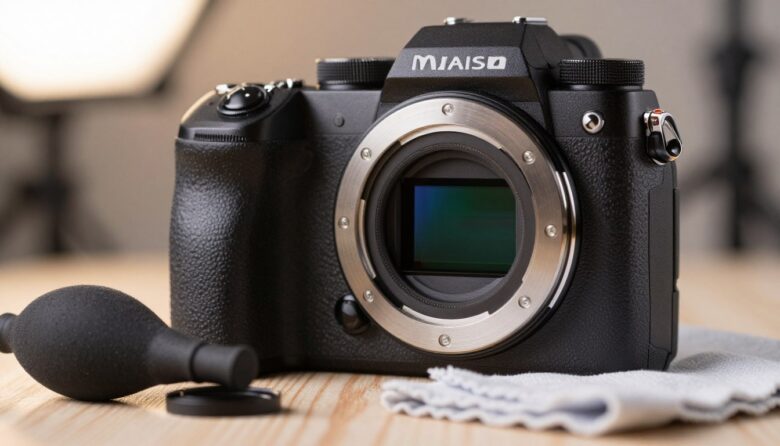
I started shooting in 2004 with a 6 megapixel Canon Digital Rebel, and that first DSLR taught me the value of a sealed view into the lens.
Since 2012, I switched to mirrorless cameras and spent many years testing different systems. Over time I noticed one clear pattern: the open design lets dust reach the sensor more easily when you change a lens.
Every lens change exposes the delicate interior. The mechanical mirror in a DSLR once cut that risk by blocking the opening. With modern camera designs, the shutter and the body layout play a bigger role in how often you need to clean parts.
In this article I explain the key mechanical differences, what I learned through hands-on testing over the years, and practical steps you can use right away to keep your gear clean and working well.
Key Takeaways
- I began with a Canon Digital Rebel and moved to mirrorless systems in 2012.
- Open designs on modern cameras make debris more likely during lens changes.
- The shutter and body layout affect how often cleaning is needed.
- Simple habits reduce contamination and extend the life of your gear.
- This article will show practical, tested fixes to keep your camera working.
Understanding the Mechanical Differences Between Mirrorless and DSLRs
I learned early that a camera’s internal layout changes everything about dust and maintenance. The main mechanical gap between the two designs comes down to a single moving piece: the mirror. That simple change alters how light reaches the image plane and how protected the interior parts stay when you swap glass.
The Mirror Mechanism
DSLRs use a mirror to bounce light up into a bright optical viewfinder. When you press the shutter, the mirror flips up and the shutter opens so the sensor can record the image.
This flip is a complex mechanical action. It gives a lag-free optical view and supports legacy lenses like my AI 135mm f/3.5 that still mount cleanly to Nikon bodies.
How Light Reaches the Sensor
By contrast, mirrorless cameras let light travel straight to the image plane. The live feed goes to an electronic viewfinder and the body can be smaller as a result.
The trade-off is that the exposure of the image plane during lens changes makes the interior more vulnerable. The Nikon D750 remains a good example of a design that keeps a bright optical viewfinder and reliable autofocus, showing how design choices affect speed and image quality.
- Mirror flips provide an optical view and mechanical shielding.
- Straight-through designs simplify focus systems and add modern features like eye autofocus.
- Body size, burst capability, and frames per second vary by design choice.
“Mechanical layout often explains why one system needs more frequent cleaning than another.”
Why Mirrorless Sensors Get Dirtier Than DSLRs
After months using the Sony A7R II, I learned why the open design invites more grime into the image plane. On many mirrorless cameras the moment you remove a lens the sensor is exposed to air. Dust and tiny particles drift in, and they settle fast.
The fundamental difference is simple: older dslrs keep the image plane hidden behind a mirror and shutter curtain during lens swaps. That extra barrier cuts down how often you see specks in your photos. I shot with both types and watched dust appear more quickly on the mirrorless bodies.
Many modern systems do not close the shutter when powered off. That increases risk during a long day of shooting or when you change lens frequently in the field. Even careful technique can’t fully stop airborne grit from landing on the sensor.
This article will walk through why manufacturers pick this layout and how you can reduce contamination with simple habits and gear choices.
“Design choices, not always user error, explain why dust shows up more on some cameras.”
The Role of the Shutter in Sensor Protection
How a shutter behaves can change whether I need to clean my gear after a shoot. The shutter curtain acts as a second line of defense in many dslr designs by covering the image plane even when the mirror is locked up.
That curtain matters. In those cameras the shutter blocks dust when you swap lenses, so debris has fewer chances to settle on the sensor.
Shutter Curtains as a Barrier
On a number of mirrorless cameras the shutter stays open by default. That leaves the sensor exposed during lens changes and raises the risk of grit getting in.
Some modern bodies include a mode that closes the shutter when the camera is turned off. I found this simple feature cut the number of cleanings I needed after long outdoor sessions.
- The shutter must be precise at high frames per second to keep focus and image quality steady.
- Learn how your specific camera handles the shutter so you can be more careful with lenses in dusty conditions.
- When possible, keep the shutter closed or use the power-off mode that does so to reduce dust on the sensor.
“A closed shutter often means fewer surprises in post — that small mode can make a big difference.”
Comparing Mirrorless vs DSLR Sensor Protection
When I line up two bodies side by side, the most obvious gap is how well each design shields the image plane.
I used a Canon R5 for nearly a year, and it shows how far modern designs have come in image quality and autofocus speed.
Still, the classic DSLR layout offers a clear physical barrier. The mirror and shutter work together to limit dust when you change lenses. That matters in dry or windy locations.
Mirrorless cameras trade that barrier for a better electronic viewfinder and faster eye focus. The pay-off is cleaner images faster, but you may need cleaning more often.
“Design choices determine the cleaning schedule more than user skill does.”
- DSLR: robust physical shield, fewer cleanings in dusty fields.
- High-end mirrorless: superb image quality and autofocus, but a more exposed image plane.
- Choice depends on your subjects, shooting environment, and tolerance for maintenance.
| Aspect | DSLR | High-end Mirrorless (e.g., Canon R5) |
|---|---|---|
| Physical barrier | Mirror + shutter | Shutter only / more exposed |
| Autofocus & EVF | Good optical view | Superior EVF and eye autofocus |
| Cleaning frequency | Lower in dusty conditions | Higher after heavy outdoor use |
Practical Tips for Changing Lenses in the Field
Over time I learned a compact routine that keeps my images cleaner and my day moving. These tips cut dust, save time, and protect your gear during shoots.
Lens Changing Etiquette
Always power down your mirrorless bodies before you swap glass. Turning the camera off helps reduce static and keeps the shutter or mode from leaving the image plane exposed.
Point the mount down and work quickly. I aim to keep the lenses off for the shortest time possible so dust has less chance to settle.
- Clean adapter rear elements before attaching DSLR glass to a mirrorless camera to avoid carrying grit inside.
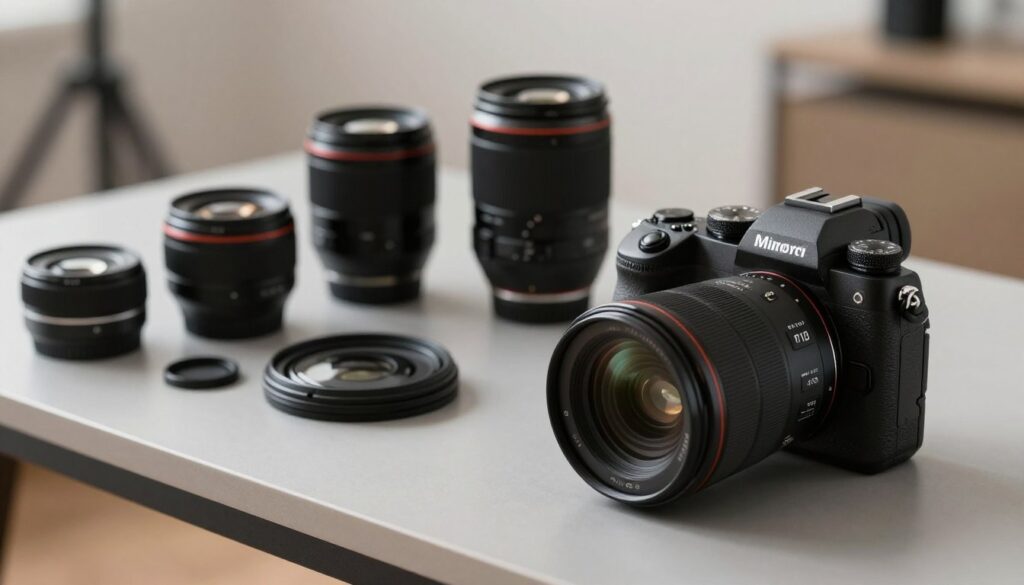
- Carry a lens pouch and a blower. Use them between swaps to clear visible dust from rear caps and mounts.
- Avoid changing lenses in strong wind or dusty conditions whenever you can.
Environmental Considerations
On windy days I wait for a sheltered moment or move under a car or wall for a quick swap. Even tiny air movement will send particles into the camera body.
“Good lens-changing habits save you hours in post and keep your images sharp.”
My Personal Experience with Sensor Dust
After nearly two years with my Nikon D610, dust finally began to leave its mark on my images.
That camera has been my daily workhorse. It logged over 90,000 actuations while I shot weddings, landscapes, and studio work.
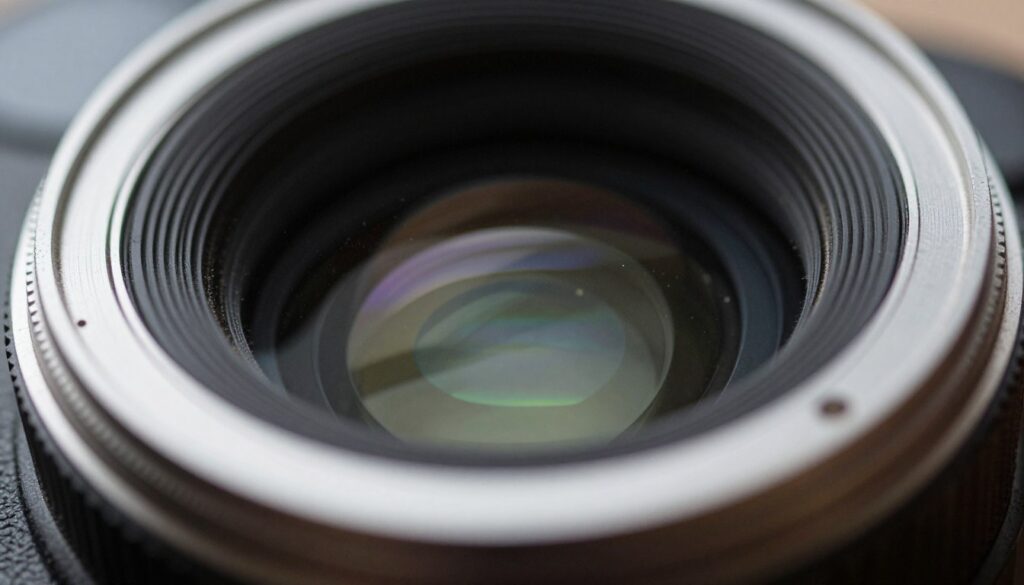
As a professional photographer, I learned fast that dust is part of owning a camera. No system is immune. I saw stubborn spots show up even after careful lens swaps.
I used to dread cleaning the sensor. It felt risky. Over time I taught myself safe steps. A simple rocket blower often removed loose grit. Other times I booked a professional clean and got spotless files again.
My work with various mirrorless bodies taught me one clear lesson: the image plane is more exposed than it was on older dslr designs. That exposure makes regular checks important, especially when I shoot at small apertures and dust shows more clearly.
“Maintenance turned out to be as important as the gear I choose to use.”
- Check your sensor regularly after long shoots.
- Carry a blower and clean rear caps before swaps.
- When in doubt, get a pro cleaning to avoid damage.
Professional Cleaning Options for Your Camera
When dust won’t budge with a blower, it’s time to bring a pro into the loop. I recommend this rule: if specks show in multiple images after basic cleaning, seek authorized service.
Manufacturers such as Canon and Nikon offer paid cleaning services that include safe sensor work and a full check of the camera body and lenses. Trained technicians use proper tools and sterile environments to avoid damage.
When to Seek Professional Help
Try a blower and visual inspection first. If dust still appears in the same spot or you see smears, stop attempting DIY fixes.
- Authorized service centers handle delicate cleaning and can test autofocus and viewfinder alignment.
- If you use mirrorless bodies with an adapter, clean the adapter before sending gear in to avoid transferring grit.
- I learned that amateur wet-swabs can scratch a sensor; professionals reduce that risk.
“Professional cleaning is worth the cost when you depend on your camera for paid work.”
Contact your local camera shop or manufacturer support if persistent spots affect focus or image quality. A pro clean often restores peak performance faster and safer than repeated DIY attempts.
Weighing the Trade-offs of Modern Camera Systems
For me the decision came down to whether the extra features would save time on shoots.
Modern mirrorless cameras bring eye-detect autofocus, fast burst rates, and a live exposure view that speeds editing and shooting decisions.
I spent a year comparing my old dslr kit to new bodies. The image quality and autofocus performance were a clear step up.
That said, the more open design means more care when changing lenses in windy conditions. Battery life also suffers, so I carry spares on long days.
The trade-off is simple: you gain speed, better viewfinder feedback, and features that save time. You also accept a bit more maintenance and planning for power.
“Understanding pros and cons helped me pick the tool that fit my subjects and shooting style.”
| Feature | Benefit | Trade-off |
|---|---|---|
| Eye autofocus | Faster, reliable subject tracking | Uses more battery |
| Electronic viewfinder | See exposure and color live | Smaller body size, more heat |
| High-speed burst | Better chance of the perfect frame | Larger files and faster storage needed |
Conclusion
My final takeaway after years of testing is simple and practical. In the end, small habits make a big difference when using modern cameras in the field.
This article covered why mirror designs expose the image plane more, and why dust shows up sooner on some bodies than others. Good lens care and quick swaps cut the work later.
I still carry a blower and keep rear caps handy. Clean lenses and mindful technique help keep focus reliable and images sharp.
Professional cleaning is worth it when dust persists. The best camera is the one that delivers the image quality you want and lets you shoot with confidence.
Thanks for reading — I hope this guide helps you maintain your gear and enjoy better results with your cameras and lenses.
FAQ
Why do mirrorless cameras seem to collect more dust than traditional SLRs?
I’ve noticed that because bodies remove the mirror box, the imaging surface sits exposed behind the lens when I change glass. That open path makes it easier for particles to drift in, especially in windy or dusty environments. Traditional single-lens reflex designs kept that surface behind the mirror most of the time, which reduced direct exposure during swaps.
Does the absence of a mirror change how light reaches the imaging surface?
Yes. In mirror-free designs, light travels straight from the lens to the imaging element and electronic viewfinder, so there’s no mirror to block particles. That streamlined path improves autofocus and burst speed but also means the element is more vulnerable whenever the mount is open.
What role does the mechanical shutter play in keeping the imaging element safe?
The shutter curtains act as a physical barrier when closed, helping limit exposure between frames. Many modern bodies use fast, durable shutters that reduce the open time during swaps. Some cameras also park an additional shutter curtain or cover when powered off to add protection.
Are there differences between camera systems in how they protect the imaging element?
Yes. Brands and models use different combinations of shutter behavior, seals around the mount, and sensor-cleaning tech. Weather-sealed pro bodies tend to manage particulate intrusion better than entry-level options. Also, some systems include active vibration cleaning that shakes off loose particles.
What practical steps do you use when changing lenses outdoors?
I point the camera mount downward, keep lens caps handy, and change gear in the shade or against my body to block wind. I also set my camera to manual focus or enable the mechanical shutter cover if available, minimizing the exposed time of the imaging element.
How should I consider environmental factors when shooting in dusty or sandy locations?
I avoid swapping lenses in open, windy spots. If I must, I crouch behind my backpack, work quickly, and use a blower before attaching a new lens. For beaches or deserts I carry a sealed bag and a disposable cloth to swaddle the camera between changes.
When should I get a professional cleaning instead of doing it myself?
If I see smudges that don’t respond to a blower, stuck particles, or if calibration issues crop up after my cleaning attempts, I take it to an authorized service center. Professionals use ultrasonic and sensor-specific tools that reduce the risk of scratches or damage from DIY attempts.
How often do you personally clean your camera’s imaging element?
I perform a quick blower-clean after any dusty shoot and a visual check monthly if I shoot regularly. I book a professional deep clean every year or when image artifacts persist despite my basic maintenance.
Do adapters, lenses, or shutter speed settings affect dust buildup?
Adapters and third-party lenses may fit less tightly and allow more airflow around the mount, so I prefer high-quality mounts. Rapid lens swaps and shooting modes that keep the shutter open longer won’t cause dust, but they can prolong exposure when the mount is open, increasing the chance debris enters.
What are the trade-offs between modern compact bodies and older designs regarding durability and image quality?
Smaller, electronics-driven bodies offer faster autofocus, high burst rates, and lighter systems for travel. But I balance those benefits with the increased exposure risk during lens changes and sometimes less robust sealing compared with larger pro bodies. Choosing a system depends on how much I value portability versus rugged protection.

Ryan Mercer is a camera sensor specialist and imaging technology researcher with a deep focus on CMOS and next-generation sensor design. He translates complex technical concepts into clear, practical insights, helping readers understand how sensor performance impacts image quality, dynamic range, and low-light capabilities.