

I dive into the global shutter vs rolling shutter debate to help you choose the right sensor for your work. I write from experience with industry cameras and sensors. I have seen how the electronic shutter shapes every image and dictates processing choices. Every high-performance sensor must balance exposure needs with limits in how data …

I want to unpack a smart imaging method that helps modern phones and mirrorless cameras capture clearer photos in tight spaces. This approach merges nearby sensor elements so each combined unit gathers more light. By trading raw resolution for brighter, cleaner images, a small sensor can mimic the performance of larger hardware. I’ll show how …

I learned early that iso invariance can change how I shoot in tough light. When I underexpose, I often recover shadows later and keep noise low. This method helps me save detail in highlights and shadows without losing image quality. In practice, an iso invariant camera lets you treat amplification differently. You can reduce camera …

I’ll help you find the right gear for night shoots. I know how confusing choices can be, so I focus on real-world results. The Panasonic Lumix S5, a 24-megapixel full-frame camera, shows how modern systems handle dark scenes with clean images even at high ISO. Understanding how a camera captures light is the first step …
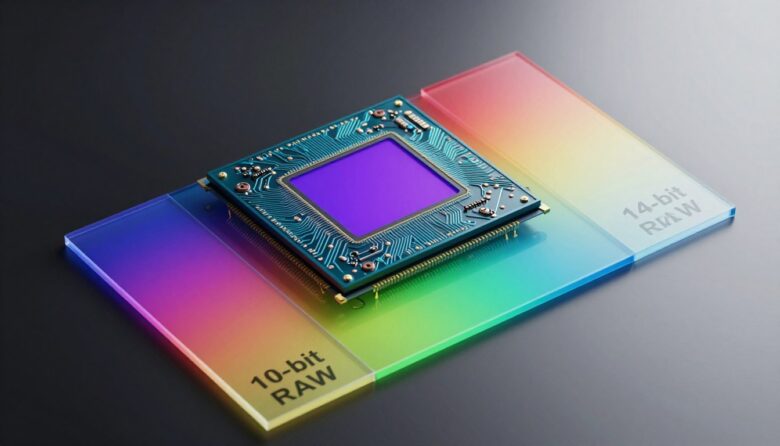
I’ll walk you through how sensor fidelity shapes final images and why higher precision matters for pro work. Every pixel on your sensor stores numeric values that define tone and hue. Those numbers come from the number of bits assigned per channel. More bits mean smoother gradients during heavy color grading. Standard 8-bit delivers 256 …