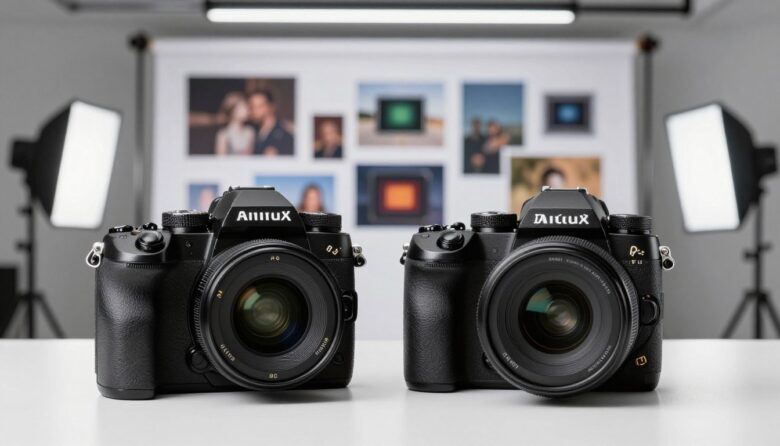
I’ve tested many cameras, from high-end Nikon bodies to agile Fujifilm models, and choosing the right option can feel daunting.
What I Learned After Using Both Systems in Real Situations
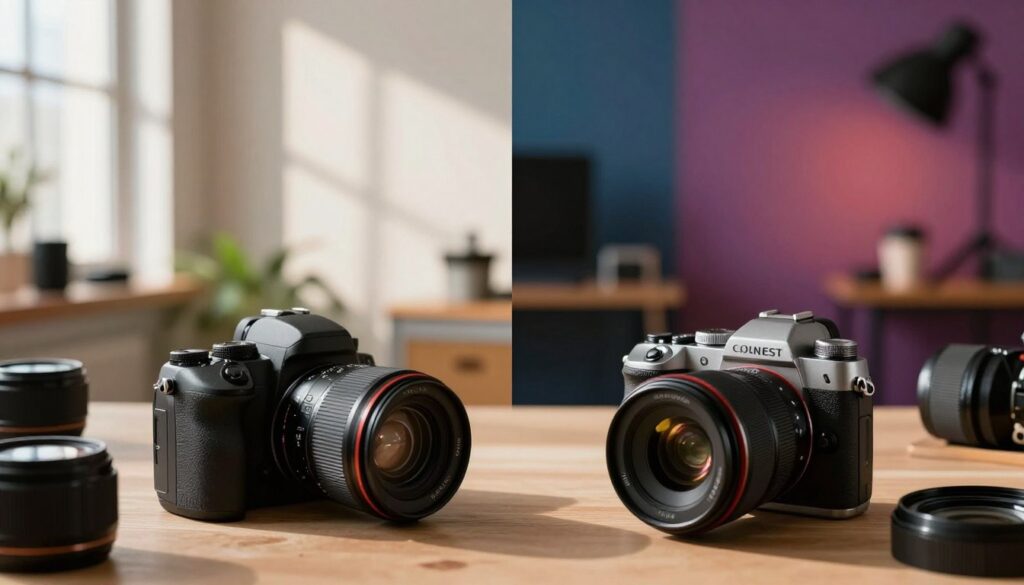
After spending time shooting with both types of cameras in different scenarios, I realized that the “best” choice is rarely about specs alone. I’ve used heavier full-frame setups on trips where I expected the highest image quality, but there were days when I simply didn’t take the camera out because of the weight. On the other hand, when I carried a lighter APS-C kit, I ended up shooting more often, which in practice led to better photos overall. That experience changed how I think about choosing gear.
In my opinion, consistency matters more than theoretical performance. A larger sensor does offer advantages in low light and editing flexibility, but those benefits only show up if you actually use the camera regularly. One practical tip I always follow is to think about your typical day: if you’re likely to carry your camera everywhere, a lighter system might serve you better. If you mainly shoot planned sessions or controlled environments, then investing in a larger system can make more sense.
I’ve found that the camera you’re willing to carry and use often will almost always outperform the one that stays at home.
My advice is simple: test both options in real conditions before deciding, even if it’s just borrowing or renting. The difference becomes much clearer when you see how each one fits your routine, not just how it performs on paper.
The Nikon D850 packs a 45-megapixel full format chip that excels in detail and dynamic range.
The Fujifilm X-T4 uses a 26-megapixel crop design that keeps gear light and costs lower. I’ll help you weigh those trade-offs clearly.
I want to explain how each option affects your photography and what you get for the price. My goal is practical: make your next purchase match your creative needs.
Whether you shoot portraits, landscapes, or run-and-gun street work, understanding the technical differences makes buying easier.
Key Takeaways
- Higher megapixels often come with higher cost and larger bodies.
- Cropped designs offer portability and value for many shooters.
- Match your lens choices and shooting style to the system you pick.
- I recommend testing both types before you commit to a purchase.
- Consider long-term use and resale when budgeting for gear.
Understanding the Basics of Camera Sensors
I want to strip away jargon and explain how the digital chip inside your camera actually turns light into images. A clear grasp of this makes gear choices less stressful.
How Sensors Capture Light
The imaging chip sits behind the lens and collects photons. Tiny photosites on the chip record brightness and color. Electronics then convert those signals into a digital file.
Key physical sizes:
| Type | Longest Edge (mm) | Typical Use |
|---|---|---|
| 35mm-based | 35 | Professional stills, high detail |
| APS-C style | 22 | Enthusiast cameras, lighter kits |
| Micro 4/3 | 17 | Compact systems, travel |
Evolution from Film
Digital chips replaced traditional film as the capture medium. That shift moved the most important image decisions into the camera’s electronics and optics.
I’ve found that understanding sensor sizes helps photographers match gear to goals.
Defining the Full Frame vs APS-C Sensor Distinction
The clearest way to compare these systems is to look at the actual light-gathering surface.
At its heart, the primary difference is physical area. A larger chip has more room for photosites, so it can record more detail and handle highlights and shadows better.
Practical impacts:
- The fundamental difference lies in the imaging chip’s dimensions and how much light it collects.
- Compare a frame aps-c design to a larger chip and you’ll see the bigger one captures more image data.
- I’ve found that the APS-C sensor often yields a lighter, more portable camera system for travel and street work.
In short, choosing between these sensors boils down to a trade-off: more image data and bulk, or less weight and cost. Knowing this difference helps you match gear to how you shoot in the real world.
How Sensor Size Impacts Your Photography
Sensor dimensions change how lenses behave and how your photos feel. I’ll cover the two most visible results: the field of view and depth of field.
Field of view shifts when you mount the same lens on different camera systems. A larger capture area shows more of a scene at identical focal length. That means I can fit wider vistas without using an ultra-wide glass.
Depth control also changes. A larger chip gives shallower depth in portraits, which helps me isolate subjects with smooth background blur. On the other hand, a crop design tightens the field view and effectively adds reach — handy for wildlife or distant action.
Depth of Field Effects
Practical takeaways:
- The sensor size alters effective field of view and depth of field.
- With a larger imaging area, I get shallower depth for subject separation.
- Crop systems produce a narrower field view that can act like extra focal length.
- Crop factor changes how lenses behave in the field — keep that in mind when choosing glass.
| Effect | Large Capture Area | Crop Design |
|---|---|---|
| Field of view | Wider at same focal length | Narrower, gives extra reach |
| Depth of field | Shallower, easier subject isolation | Deeper, more in focus at same aperture |
| Typical users | Portraits, landscapes, studio | Wildlife, sports, travel |
Comparing Image Quality and Noise Performance
When I compare raw files side-by-side, the difference in noise and tonal range shows up quickly.
In low light, larger pixels on a larger chip tend to capture more photons. That yields cleaner results at high ISO and helps retain highlight and shadow detail.
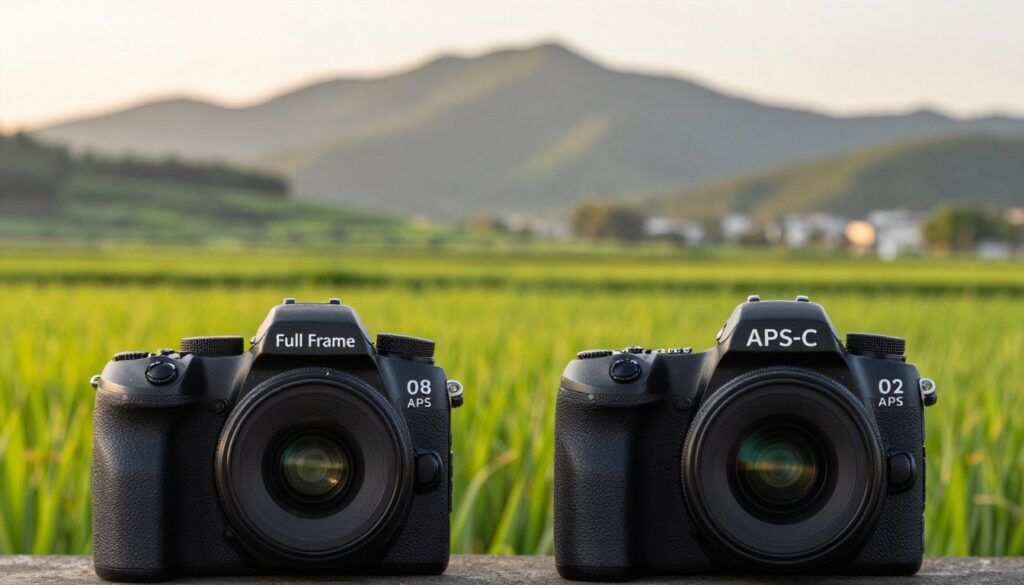
From my tests with the Nikon D850 and the Fuji X-T4, the larger capture area retained more shadow detail and showed better dynamic range.
That said, under good lighting the noise gap often shrinks. Modern crop designs produce images that are very close in quality to what bigger cameras deliver.
“Achieving a better image often depends on how well a camera manages noise and tonal transitions.”
Quick takeaways:
- Cleaner high-ISO: Larger chips usually produce less noise in dim light.
- Better editing room: Greater dynamic range gives more flexibility in post.
- Real-world note: In daylight, the practical difference in image quality is often minimal.
I recommend viewing test examples at 100% to see how each setup handles shadow recovery. That makes the trade-offs clear when you pick gear for low-light work.
The Role of Crop Factor in Focal Length
Crop factor reshapes how focal length translates into the scene you actually capture.
Put simply, the crop factor multiplies a lens’ stated focal length. A 600mm lens on a full frame camera gives the same reach as a 400mm lens on an APS-C format body. That effective multiplication is why many sports and wildlife shooters choose crop systems.
Practical points I use in the field:
- The crop factor changes the effective focal length of any lens you mount.
- A 50mm lens on a crop camera behaves like a longer lens, giving more reach without heavier glass.
- That built-in boost narrows the field view, which helps with distant subjects.
The full frame system has no crop factor, so lenses perform exactly at their labeled length there. By mastering this relationship, I can predict how a lens will frame a subject and choose the right gear for my shoot.
Evaluating Dynamic Range in Different Lighting
In real shoots I push raw files to see how much latitude each sensor actually gives me.
I review how much detail survives when I push shadows +100% and pull highlights -100%. Those edits show the practical limits of dynamic range in tough light.
Highlight Recovery
Highlight recovery shows what bright areas can be salvaged. In my tests a full frame body often retains more highlight data than a crop option.
I push highlights hard and inspect the raw. The larger capture area usually avoids blown zones and keeps color shifts lower.
Shadow Detail
Shadows tell a similar story. When I lift shadows aggressively, noise rises faster on smaller sensors.
An example: the larger unit held cleaner shadow detail at extreme pushes, while the smaller unit showed grain and color noise sooner.
“Pushing files to their limits is the best way to reveal real-world editing headroom.”
- Dynamic range measures detail in highlights and darks.
- I find larger capture devices give more editing room with less noise.
- Modern crop gear still performs well, but it trails at the extremes.
Portability and Weight Considerations for Photographers
Carrying gear all day teaches you fast that weight and size shape what you shoot.
Aps-c cameras and their crop systems are built around being smaller lighter. I pack less when I choose these bodies. That means I can hike farther and shoot longer without fatigue.
Smaller lighter lenses make a real difference. A compact prime or zoom designed for a crop camera reduces bag bulk and keeps me nimble. The lens choices for these kits often prioritize portability over sheer reach.
I’ve found that lugging a heavy kit changes how I work. After a full day, my shoulders decide which shots I take. The difference in weight between systems often decides the outcome of a trip.
Practical takeaway:
- Portability: aps-c cameras win for travel and street photography.
- Manageability: smaller lighter kits let you focus on shooting, not hauling.
- Decision point: pick the system whose size matches how you move in the field.
Analyzing the Cost of Different Sensor Systems
When I map costs, the price of glass usually outpaces the cost of the camera body. Deciding between systems means more than the initial sticker price.
Lens Ecosystem Investment
aps-c camera kits often start cheaper. That lower entry cost makes them common choices for beginners and travelers.
I’ve found that lenses and accessories drive long-term spending. Buying a full frame kit usually means pricier lenses and bigger investments over time.
Smart budgeting shifts money saved on the body toward better glass. That trade lets you build a versatile lens lineup without overspending.
- The cost of a camera system is heavily influenced by the sensor; smaller sensors tend to reduce upfront cost.
- Investing in a full frame system requires a larger budget for both bodies and lenses.
- Choosing an aps-c camera often frees funds for higher-quality lenses and accessories.
“Buy the lenses you will use most; they last longer than bodies.”
My recommendation: start with an aps-c camera if budget matters, and plan lens purchases around the work you do. This keeps costs reasonable while letting you upgrade later.
Real World Performance in Low Light Conditions
I set up an identical landscape scene at dusk to watch how noise and detail held up in practice.
I compared the Canon 5D Mk IV and the Fuji X-T4 at ISO 10,000. The larger capture device delivered cleaner images and better dynamic range in the shadows.
What I noticed: the larger unit let me use faster shutter speeds without losing image quality. That meant I kept sharpness in windy landscapes while keeping noise lower.
The smaller camera held its own for everyday shooting. Still, when I zoomed in on shadow areas, noise became obvious in the crop design image.
“In tough light, the larger capture area keeps fine detail while the smaller choice shows noise sooner.”
- The larger system produced cleaner images at very high ISO settings.
- The crop design is usable for most scenes but trails when you push edits hard.
- Using the same focal length and settings, the larger camera captured more light and detail.
| Test | Canon 5D Mk IV | Fuji X-T4 |
|---|---|---|
| ISO | 10,000 | 10,000 |
| Noise in shadows | Low, fine detail retained | Higher, grain and color noise visible |
| Usable shutter speed | Faster without quality loss | Slower to avoid noise |
| Overall image quality | Superior in low light | Good for most conditions |
My takeaway: for serious low light work and landscape pushes, choose the system that gives more light gathering. If you shoot casual night scenes, a smaller kit still performs well and stays portable.
Deciding Which System Fits Your Creative Needs
I tell photographers to match gear to goals, and I start by asking what images you want to make.
If your work needs very shallow depth field for portraits, that size advantage gives a clear edge in image quality and tonal separation.
For wildlife or sports, the crop factor on an aps-c cameras body acts like extra reach at a lower cost. That change in effective focal length helps you fill the frame without heavier glass.
Many peers say the difference in final images is smaller than expected. With good lenses and technique, an aps-c format kit delivers professional image quality for most jobs.
Think about weight, budget, and how you like to work. If carrying less matters, choose the smaller setup. If you need greater dynamic range and dreamy background blur, the larger option may be worth it.
- Evaluate your own images to judge the real-world difference.
- Balance cost, size, and the depth you need for the field you shoot.
- Choose the system that helps you capture the images you envision.
Conclusion
In short, choosing between systems is a personal call that depends on budget, style, and how portable you need your kit to be. I want you to pick the gear that helps your photography, not the gear that stresses you.
I found that larger chips often give better image quality and low light performance, while modern smaller bodies deliver excellent results for everyday work. As a photographer, focus on technique, lenses, and light—those choices shape final image quality far more than a single spec.
Whether you shoot film or digital, tell the story you want. There is no single right answer; pick the way that keeps you shooting and improving.
FAQ
What are the main differences between a larger imaging surface and a smaller one?
I focus on how the area that collects light affects images. A larger area usually gives better low-light capability, shallower depth of field, and wider dynamic range. A smaller area tends to make gear lighter, extends effective reach with the same lens, and often costs less. Which advantage matters most depends on your style—portraits, wildlife, or travel.
How does crop factor change the effective focal length of my lenses?
Crop factor multiplies the focal length that your camera “sees.” For example, a 50mm lens on a smaller-format body behaves like a longer lens compared to using that same 50mm on a larger-format body. I use this to my benefit when I want more reach for wildlife or sports without buying super-telephoto glass.
Will image noise be noticeably different between the two formats?
Yes. Bigger light-collecting areas generally yield cleaner files at high ISO because each photosite can gather more photons. That means less noise in dim conditions. Smaller designs have improved a lot, though, and modern processing can narrow the gap for many shooters.
Does one option produce shallower background blur than the other?
With the same aperture and framing, larger imaging areas create a shallower look. I get creamier bokeh for portraits on larger bodies. If you need background separation but shoot on a smaller system, I use longer focal lengths or wider apertures to mimic that effect.
How does sensor size affect dynamic range and highlight recovery?
Larger gathering areas typically offer wider latitude, so I can recover highlights and pull shadow detail more easily. That helps in high-contrast scenes like sunsets. Smaller systems still perform well, but they may clip highlights earlier or show less clean shadow recovery.
Are lenses more expensive for one system compared to the other?
Lens cost varies by brand and mount, but full-scale systems often have pricier professional glass. Smaller-format ecosystems can be more affordable and include compact primes and zooms. I consider the total lens investment as much as the camera body price when choosing a system.
How do weight and portability compare between the two choices?
Smaller bodies and lenses are lighter and easier to carry all day. I travel and hike more comfortably with compact kits. Bigger systems tend to be heavier but offer robustness and sometimes better ergonomics for long shoots.
Which option is better for low-light shooting and night photography?
Larger light-collecting areas have an edge in low light because they deliver cleaner images at higher sensitivities. For astrophotography or dim interiors, I usually prefer a system with the bigger capture area. That said, modern smaller-format cameras paired with fast lenses can still produce excellent night results.
Will I lose field of view when switching formats?
Yes, the apparent framing changes due to the crop factor. A lens will show a narrower scene on a smaller-format body compared to a larger one. I plan lens choices and composition with that in mind so I don’t lose my intended framing.
Can I use the same lenses across both systems?
Some mounts allow cross-use with adapters, but behavior and coverage vary. Full-coverage lenses designed for larger areas will work on smaller bodies without issue. The reverse can be problematic—lenses made for smaller formats may not cover the larger imaging area, causing vignetting or unusable corners.
How do I choose between better image quality and a lighter kit?
I weigh priorities: if ultimate image quality, shadow detail, and low-noise performance matter most, I lean toward a larger capture area. If portability, cost, and reach are more important, I choose a smaller-format system. Testing gear in the field with my shooting routine helps me decide.
Does photography genre influence the best choice?
Absolutely. I pick based on genre—portraits and landscape photographers often prefer the wider latitude and shallower depth of field from larger systems. Wildlife and travel shooters frequently favor smaller, lighter setups that give extra reach and mobility.
How big is the real-world difference in image quality between them?
In everyday shooting, differences shrink thanks to improved processors and optics. The gap becomes most visible at high ISO, in extreme dynamic range scenes, or when printing very large. For web use and modest prints, both options can deliver excellent results.

Ryan Mercer is a camera sensor specialist and imaging technology researcher with a deep focus on CMOS and next-generation sensor design. He translates complex technical concepts into clear, practical insights, helping readers understand how sensor performance impacts image quality, dynamic range, and low-light capabilities.