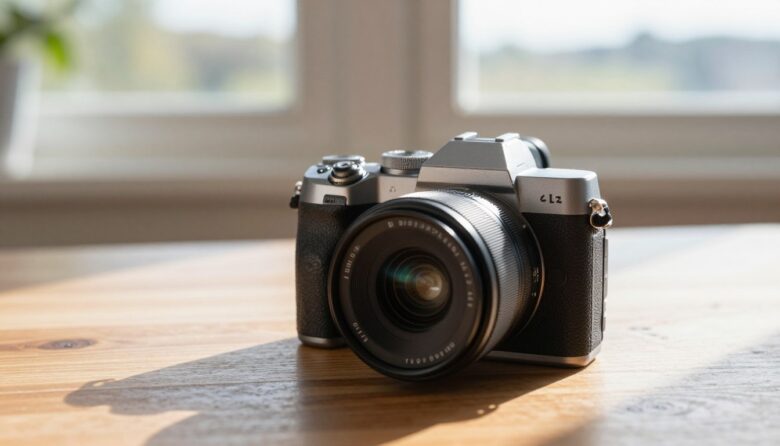
I switched my main gear to a micro four thirds camera when I realized the best camera is the one I actually carry. I had long admired the technical edge of a full frame sensor, but daily travel taught me a different lesson.
What helped me choose with more confidence
After testing different camera setups on real trips, I learned that spec sheets do not always reflect what actually works in daily use. I have carried heavier gear expecting better results, but in many situations I ended up leaving it behind because it felt like too much for a long walk or a casual day out. That experience changed the way I judge camera systems. Now, I pay more attention to how often I will realistically carry the camera, how comfortable it feels after hours of use, and whether it helps me stay ready for unexpected moments. In my opinion, that kind of practical thinking matters more than chasing perfection on paper. A simple piece of advice that has helped me is to look back at the photos I truly enjoy and ask myself not only how they look, but also what made them possible. In many cases, the answer is not just image quality, but having a camera with me at the right time.
I have found that the most useful gear is not always the most advanced one, but the one that fits naturally into the way I travel and shoot.
My new setup made it easier to catch spontaneous moments. The lighter size and compact format meant more walks, more angles, and more stories in my photos.
I tested both platforms for months to see how each system handled real-world shooting. I found that understanding the trade-offs between sensor power and portability is key for travel photography.
Key Takeaways
- I chose a smaller system because I used it more often.
- Performance matters, but so does the likelihood of carrying your gear.
- For travel, balance image quality with comfort and convenience.
- I spent time testing both systems before deciding.
- Your best camera is the one that fits your travel style.
Micro Four Thirds vs Full Frame: The Travel Photography Dilemma
I chose travels that force decisions: carry a heavy kit or travel light and shoot more. I learned this the hard way with my Nikon D750. With a 50mm lens it weighs about one kilogram and often stayed in the hotel.
The Olympus M5ii proved a compact alternative that I actually grabbed for walks. That difference changed how many photos I made.
- Comfort: lighter cameras encourage more shooting and more moments captured.
- Cost: a budget-friendly micro four thirds setup can match real-world needs without breaking your budget.
- Lenses: native lenses are smaller and often give great value for travel.
- Use case: some photographers need the sensor reach of larger kits; others want portability above all.
In this post I aim to show that one format doesn’t fit everyone. Your best system is the one that keeps you shooting, wherever you travel.
Understanding Sensor Size and Image Quality
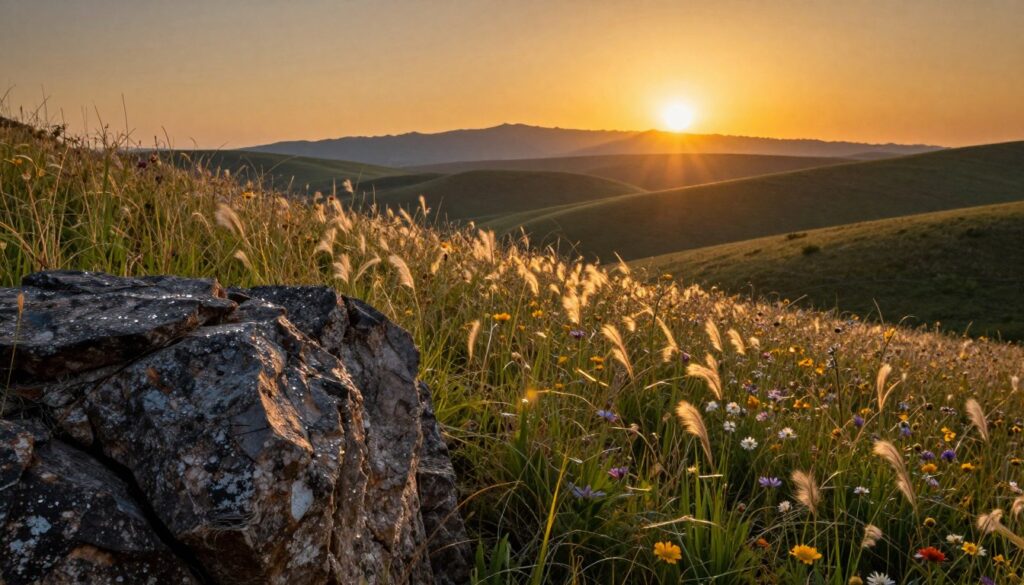
What matters most in travel photography is how a sensor behaves in light, not just its headline megapixels. I look at real shots I take, then judge how noise, dynamic range, and depth field affect the final image.
The Reality of Pixel Peeping
Pixel peeping can fool you. At 200% magnification you see noise that vanishes on phones and most monitors.
In practice, the image quality from a micro four thirds camera often looks identical to a larger sensor to most viewers. I test prints and screen views before I change workflows.
Dynamic Range and Low Light Performance
Yes, a larger sensor can gather more light. But modern software and good technique close much of that gap.
I’ve shot handheld with an Olympus OM-D M1ii and a 7-14mm F2.8 Pro lens. The stabilization kept shots sharp and useful even in low light.
“Creative choices matter more than sensor specs when you are shooting on the road.”
| Feature | Smaller Sensor Setup | Larger Sensor Setup |
|---|---|---|
| Real-world image quality | Often indistinguishable to viewers | Higher headroom in extreme crops |
| Depth field control | Deeper field at equivalent focal length | Smoother background blur at same aperture |
| Low light handling | Good with stabilization and software | Better native noise performance |
The Case for Opportunistic Photography
Opportunistic photography thrives on readiness, and that meant choosing gear I would take everywhere.
I missed a great shot in a library once because my heavy Nikon D750 stayed in the hotel. The D750 weighs about one kilogram and it stayed put when I should have been shooting.
A compact micro four thirds camera fits in a jacket or light bag. I can keep a versatile set of lenses and stay under 700 grams total for all-day comfort. That freedom changes how often I raise the camera and press the shutter.
Carrying a large kit made me look like a pro, and that sometimes altered moments on the street. Small cameras keep me low-key and closer to real life. I have saved scores of images that would have been lost if I relied on heavier formats.
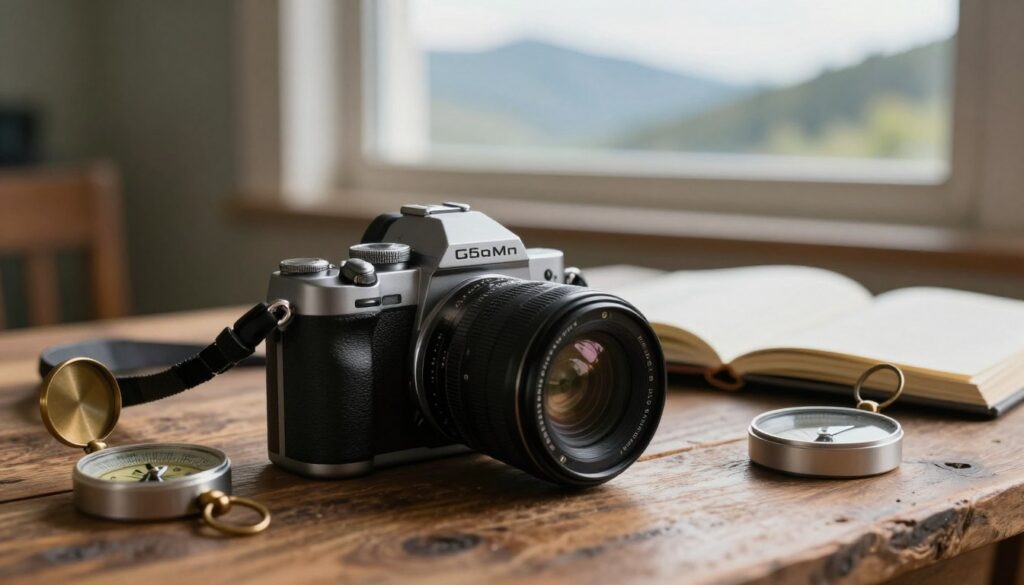
“The best example of opportunistic photography is having a camera small enough to fit in a jacket pocket.”
- Ready gear increases the chances of capturing candid moments.
- Light systems let me stay mobile and shoot more throughout the day.
- Portability often yields better storytelling than chasing technical perfection.
| Aspect | Opportunistic (small kit) | Heavy kit (large sensor) |
|---|---|---|
| Carry comfort | Under 700 g for body + lens | Around 1 kg or more typical |
| Availability | Always with me, more shots | Often left in bag or hotel |
| Street presence | Low-key, blends in | Looks professional, can be intrusive |
Comparing Lens Systems and Portability
Choosing the right glass changes what I can reach and how light my bag feels.
Weight Advantages of Native Glass
Native lenses for the micro four thirds system are noticeably smaller and lighter than larger alternatives. That size saves my shoulders on long walks.
I carry more focal lengths without adding bulk. A compact lens helps me stay discreet for street photography and keeps my budget lower when building a kit.
Weather Sealing and Build Quality
Durability matters. Pro lenses such as the Olympus 12-40mm F2.8 Pro feature IP53-rated sealing, so I shoot in rain without worry.
Solid build beats extra weight when I need a reliable camera on a trip.
The Reach Factor for Wildlife
The reach is a real advantage. A 300mm lens on my camera gives a 600mm equivalent field, so I get closer without carrying monstrous glass.
“More reach with less weight made distant subjects feel within reach.”
- Native lenses are lighter, more travel-friendly.
- Weather sealing adds durability without huge mass.
- Effective reach helps wildlife and distant shots.
| Aspect | Micro Four Thirds System | Full Frame System |
|---|---|---|
| Typical lens weight | Smaller and lighter, easier all-day carry | Heavier glass, more fatigue on long shoots |
| Reach | 300mm = 600mm equivalent; great for wildlife | Needs longer, heavier lenses for same reach |
| Durability | Professional lenses with IP sealing available | High-end weather sealing, but larger size |
The Power of Computational Photography
Computational tools have quietly changed how I capture decisive moments on the road.
ProCapture, introduced by Olympus in 2016, taught me to catch the instant before a blink or stumble ruins the shot.
When Nikon added similar functionality to the Z9 in 2022, it proved this approach matters across formats. I use in-camera focus stacking and handheld high-resolution modes to stretch my kit’s capabilities.
Those multi-shot modes boost detail and let my smaller sensor deliver surprising image quality. Noise reduction in post works especially well with these files, so low-light shooting feels easier.
The result is creative freedom: I can use fast burst modes for action, stacked focus for close-ups, and high-res handheld shots for landscapes without a tripod.
“Computational features help bridge the gap between compact systems and larger formats.”
- ProCapture-style buffering saves fleeting moments.
- High-res multi-shot rivals larger sensors for detail.
- In-camera stacking and smart noise reduction widen creative options.
Debunking Common Myths About Smaller Sensors
Arguments against compact mirrorless systems usually ignore recent tech gains. I want to clear up a few persistent myths so you can pick gear that actually fits your work and travel needs.
Depth of Field and Background Blur
One common claim says a micro four thirds camera cannot deliver shallow focus. In practice, fast primes and clever framing reproduce the look clients expect.
The OM-1 Mark II proves speed isn’t sacrificed: its 120fps electronic shutter handles action with ease. That kind of burst rate shows these cameras can chase decisive moments.
I rely on stabilization and modern noise reduction, so I rarely haul a tripod. Good technique and the right lens let me control the depth field and achieve pleasing background blur for portraits.
“Gear elitism misses the point: results matter more than sensor size.”
- Fast lenses give the shallow field many photographers want.
- Advanced stabilization reduces the need for a tripod in low light.
- Computational tools and noise reduction narrow the gap with larger formats.
| Myth | Claim | Reality |
|---|---|---|
| Small sensors can’t blur | Only larger sensors do portraits | Fast lenses and focal length give strong background blur |
| Not pro enough | Only big sensors are professional | Modern cameras and lenses deliver pro image quality |
| Must use tripod | Low light needs tripod | Stabilization often makes a tripod unnecessary |
Conclusion
When I pack for a trip I ask one simple question: will I actually carry this camera all day?
strong, I recommend choosing gear that matches your priorities. For me the micro four thirds system hit the sweet spot of portability and image quality.
I respect what a full frame camera delivers for certain jobs, but smaller cameras and lighter lenses let me shoot more moments. Think about sensor reach, focal length needs, and how a kit changes your routine.
The best advice is practical: pick the format that keeps you out shooting. The right system turns travel into more photos and better stories.
FAQ
What are the main differences between Micro Four Thirds and Full Frame for travel photography?
I find the biggest practical differences are sensor size, weight, and lens reach. Smaller sensors let me carry lighter bodies and compact lenses, which helps on long trips and hikes. Larger sensors usually deliver cleaner images at high ISO and shallower depth of field, which matters for low-light scenes and portraits. Choose based on how much gear I want to lug versus the image characteristics I prioritize.
Will I notice image quality loss with the smaller sensor compared to a larger sensor?
In everyday travel shots—landscapes, cityscapes, street photography—the gap is subtle. Advances in processing, sharp lenses, and good technique close the divide. The larger sensor still wins in high-ISO noise control and dynamic range, but for many travel situations I shoot, the smaller system gives excellent results and saves my back.
How does lens selection affect portability and image results?
Lens choice matters more than body size for carry weight. Native lenses for the smaller system tend to be compact and lightweight, so I can bring zooms and primes without a big pack. With larger sensor systems, professional glass often weighs more but offers different rendering and maximum apertures. I balance focal length needs, aperture, and weight when packing.
Is background blur dramatically different between the two formats?
Not always. The larger sensor makes it easier to get creamy background separation at the same focal length and aperture. But with longer focal lengths or faster lenses on the smaller system, I can still produce pleasing blur. Distance to subject and composition play a huge role, so technique often compensates for size.
How do low-light and high-ISO situations compare?
Larger sensors generally handle high ISO better, giving cleaner files with more usable shadow detail. Still, modern cameras and noise reduction improve performance across formats. I usually raise ISO only when necessary and rely on stabilization, fast lenses, or a tripod to keep images clean when light is limited.
What about reach for wildlife and sports photography?
The smaller crop factor effectively multiplies focal length, giving me extra reach with the same lens—handy for wildlife. That can let me use lighter glass instead of extreme telephotos. For fast action, though, autofocus speed and burst performance matter just as much as reach, so I check reviews for real-world handling.
Does weather sealing and build quality differ between systems?
Both ecosystems offer rugged, weather-sealed bodies and pro-grade lenses. The larger bodies sometimes feel more substantial, but many compact options also provide robust sealing. I pick gear based on specific models and reliability rather than assuming one system is uniformly tougher.
Will I be limited by the smaller system for professional work or prints?
For most commercial and editorial uses, the smaller sensor delivers excellent output, especially when I shoot carefully and post-process well. If I need huge billboard prints or the absolute cleanest high-ISO files, larger sensors may be preferable. Match the tool to the job and client expectations.
How do computational features influence camera choice?
Computational photography, like in-camera stacking, high-dynamic-range processing, and advanced noise reduction, narrows differences between systems. I often rely on these features for travel shots where I must balance speed and quality. They make compact setups more versatile in challenging lighting.
What should I prioritize when choosing between the two systems for travel?
I prioritize weight, lens options, and the types of photos I want. If I value minimal kit, long reach, and discreet shooting, the smaller system wins. If I need the absolute best low-light performance, shallowest background blur, and larger print flexibility, I lean toward larger sensors. Rent or borrow both to see which fits how I travel and shoot.
Can I adapt lenses between systems?
Yes—adapters let me use many lenses across systems, expanding creative choices. Adapting can add weight and affect autofocus speed, so I test combinations before relying on them for important shoots. For travel, I usually stick to native glass for balance and convenience.
How do I get the most from whichever system I choose?
Master fundamentals: exposure, composition, and focusing. Use good lenses, stabilize when needed, and shoot RAW for post-processing flexibility. I also learn the camera’s strengths—autofocus modes, image stabilization, and computational tools—to maximize results in the field.

Ryan Mercer is a camera sensor specialist and imaging technology researcher with a deep focus on CMOS and next-generation sensor design. He translates complex technical concepts into clear, practical insights, helping readers understand how sensor performance impacts image quality, dynamic range, and low-light capabilities.