I often see beginners grab a new camera because the box lists a high megapixel number. I know this trap well, and I want to clear it up.
What I learned after testing different cameras in real situations
Over time, I stopped choosing cameras based only on numbers because I noticed that what really matters shows up when you actually use the gear. I’ve tested cameras with high megapixel counts that looked impressive on paper, but in low light or mixed lighting they didn’t deliver the results I expected. That’s when I realized that sensor size, lens quality, and how the camera processes light have a much bigger impact than resolution alone.
In my own workflow, I try to simulate real shooting conditions before deciding on equipment. I take a few shots in different lighting scenarios, check shadows, highlights, and color consistency, and only then form an opinion. This simple habit has helped me avoid expensive mistakes and choose gear that actually fits the job instead of just following trends or marketing.
I’ve found that a quick real-world test often reveals more about image quality than any specification sheet ever could.
If I could give one practical tip, it would be this: focus on how the camera behaves in your typical environment, not just on the numbers it advertises. That approach makes your choice more reliable and ensures the results match your expectations in everyday use.
In my experience, a high resolution alone does not guarantee better image quality. I focus instead on how a camera handles light, color, and every detail in a scene.
What matters most is the balance between parts: optics, processing, and how you use the gear. A single megapixel figure is only one small piece of the puzzle.
So while the number can help in some cases, it rarely tells the whole story for professional photography. I’ll walk you through why that is and what to look for beyond the spec sheet.
Key Takeaways
- Don’t judge a camera by the megapixel number alone.
- Image quality comes from optics, processing, and technique.
- I prioritize how a camera handles light and color over raw counts.
- High resolution helps in certain uses, but it’s not a universal fix.
- Learn which features affect your work before you buy.
Understanding the Role of Megapixels
Many buyers fixate on a headline number when choosing a camera, thinking it guarantees better pictures. That number is only one part of how a system captures a scene. I want to show what that figure actually means and why context matters.
Defining Resolution
A megapixel simply equals one million pixels. A 1/4″ 8 MP sensor, for example, contains 3,224 x 2,448 pixels. In practice, that compact area limits how much light each pixel can collect.
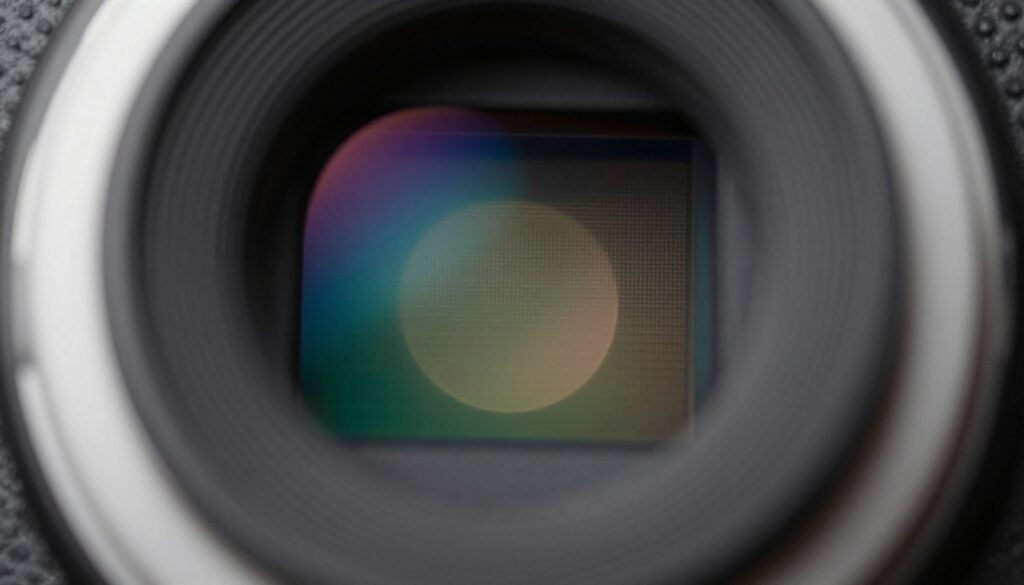
I often explain that the camera sensor acts like the eye of the system, converting light into electrical signals that form your final picture. A 1-inch sensor is often considered a high-quality standard in the world of compact cameras because its larger area helps gather more light.
- Remember: a higher megapixel number does not always equal better image quality.
- Manufacturers market counts to justify cost, but performance links back to sensor and lens choices.
The Hidden Importance of Sensor Size
In practice, the physical area that catches light often beats headline numbers for real-world shots. I focus on how the chip and lens work together to form the final image.
Light Sensitivity
I believe sensor size is the single most important factor for low-light photography. A full-frame format (about 35.00 x 24.00mm) provides a much larger area to collect light.
That extra area lets each pixel work more efficiently. The result is cleaner files, less noise, and more usable shadow detail in dim scenes.
Dynamic Range
A larger camera sensor normally delivers a wider dynamic range. I see clearer highlights and richer midtones when I move from smaller formats to full-frame models.
“A larger area improves color depth and contrast — it’s a key difference between entry-level and pro gear.”
- Better light capture improves low-light performance.
- Larger areas allow more efficient pixels and richer tones.
- Smaller formats remain common because they lower manufacturing cost.
Comparing Megapixels vs Sensor Size for Image Quality
When I compare a high-resolution full-frame camera with a phone that has the same pixel count, the full-frame model wins in real-world shooting.
The larger camera sensor gives each pixel more room to gather light. That extra room lowers noise and improves color depth. In practice, that leads to better image quality under mixed or low light.
Dynamic range is another clear advantage. A larger format holds more detail in shadows and highlights, so images keep texture where smaller chips clip tones.
“A 20 MP full-frame camera will almost always outperform a 20 MP smartphone sensor in real shooting conditions.”
I also tell students that printable image dimensions depend more on the sensor area than on raw pixel count. A bigger camera sensor handles complex lighting and gives more headroom for editing.
Why Smaller Sensors Remain Popular
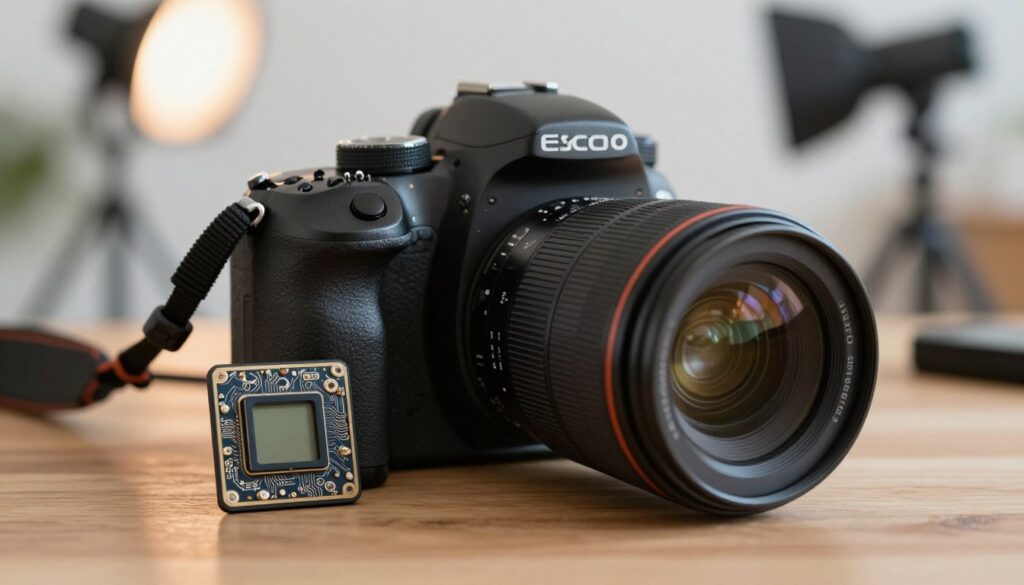
Smaller camera chips stick around because they make cameras cheaper and easier to carry.
I understand the trade-offs. A 1/1.8″ sensor often appears in higher-quality compact models to balance portability and performance. That compact format helps keep lenses light and bodies pocketable.
While a larger sensor is clearly better for low light and dynamic range, many shooters prefer the convenience of smaller systems. They deliver decent image quality for travel, street, and everyday work.
In practice, the answer is simple: smaller designs cut cost and open options for cheaper lenses and slimmer bodies. I test 1/1.8″ camera sensor models and find them a useful compromise for most real-world needs.
“Smaller formats trade ultimate light-gathering power for real-world portability and value.”
- Reduced cost and weight make these cameras popular.
- They suit photographers who value mobility over full-frame performance.
- At the end, the smaller sensor is a practical choice even if it can’t match a larger frame in low light.
The Impact of Optics and Diffraction Limits
Diffraction and lens performance often decide whether a photograph looks sharp in the real world. I want to show how the Airy disk and lens choice limit final results, even with a high-resolution camera sensor.
The Airy Disk Effect
The Rayleigh diffraction limit appears when an optical system cannot focus light to a point smaller than an Airy disk. At common apertures like f/8, I’ve found that pixels under about 4 µm begin to show softness.
When the pixel is smaller than the Airy disk, sharpness drops regardless of camera quality.
Matching Lenses to Sensors
Good glass matters. I match high-quality lenses to my camera sensor to avoid bottlenecks in performance.
Poor optics will never deliver the results you expect from pro gear. In optics, the system performs at the level of its weakest part.
“Even with a high-end camera, you will see a drop in image quality if the diffraction limit is reached, creating a soft image.”
- I learned the Rayleigh limit sets a physical barrier at small apertures.
- Always pair lenses that resolve detail suited to your camera sensor and pixel pitch.
How Sensor Dimensions Affect Depth of Field
I find that the frame you shoot on has a huge influence on depth of field and the way backgrounds render. A 1″ camera sensor has a diagonal of about 16mm, which is noticeably larger than a 1/4″ unit. That extra capture area helps create more pleasing blur when you want it.
When I use a full-frame camera, the shallow depth I get at a given aperture is clearly different from smaller models. Portraits show softer backgrounds and more subject separation. I use that to control mood and focus.
The crop factor also changes the field of view of the same lens on different camera models. In practice, the size image you capture shifts and you may need to change focal length or distance to keep the same framing.
“Every camera sensor renders depth in its own way, so I match gear to the look I want.”
| Format | Diagonal (approx.) | Practical Depth Effect |
|---|---|---|
| 1/4″ compact | ~4 mm | Tighter depth, less background blur |
| 1″ compact | ~16 mm | More control, creamier backgrounds |
| Full-frame | ~43 mm | Shallowest depth for same aperture |
Tip: think about frame, lens, and aperture together. That combo determines how your images handle light, sharpness, and background separation.
Choosing the Right Gear for Your Photography Style
I pick equipment based on the kind of pictures I make, not the spec sheet alone.
First, I consider the camera sensor and how it performs in low light and for dynamic range. A larger camera sensor often gives cleaner images and more editing headroom.
Matching Equipment to Your Needs
Know your use: landscape shooters usually benefit from a larger frame and wide dynamic range. Travel and street photographers may favor compact systems that balance performance and cost.
Read comments from other shooters, but test models yourself whenever possible. Hands-on trials reveal how a camera and lenses work together in real shooting conditions.
- I always match lenses to my camera sensor to avoid bottlenecks in performance.
- If you shoot low light, prioritize a larger sensor or faster glass over headline pixel counts.
- When budget matters, try different models to find the best balance of cost and image quality.
| Photography Style | Recommended Format | Why it helps |
|---|---|---|
| Landscape | Full-frame | Better dynamic range and detail retention |
| Travel/Street | APS-C or compact | Portability and lower cost with good performance |
| Event/Low light | Larger sensor or fast lenses | Cleaner images at high ISO and shallower depth |
“The best camera is the one that fits your workflow—test, match lenses, and balance cost with real-world performance.”
Conclusion
, True image quality shows up in real scenes, not in marketing copy. I want you to leave this guide knowing that pixels alone do not equal better image quality.
A larger sensor and full-frame format usually deliver a wider dynamic range and cleaner results. Yet the right choice depends on your workflow and the look you chase in photography.
Remember that the lens you pick and how you use light shape final quality as much as any spec. Match frame, format, and glass to get the results you want.
If you have questions or comments, share them. I’ll help you apply these ideas to your gear and improve your images.
FAQ
Does higher megapixel count automatically mean better image quality?
Not always. I explain that resolution helps with cropping and large prints, but sensor area and pixel pitch often govern low-light performance and tonal gradation. More picture dots can reveal detail, yet if those dots sit on a very small chip they can struggle with noise and highlight clipping. I recommend balancing resolution with sensor format and lens quality for real-world results.
What does “defining resolution” actually mean for my photos?
Resolution refers to the number of picture elements a camera records. I describe how it affects clarity and how much you can enlarge an image before it looks soft. But resolution alone won’t fix poor exposure, motion blur, or weak optics—those are mostly about light capture and lens performance.
How does the physical area of the image sensor influence light sensitivity?
A larger imaging surface collects more photons per pixel at equal settings, so I see cleaner files and better high-ISO behavior. That means less noise, smoother tones, and stronger color fidelity when light is limited. In short, a physically bigger capture unit often makes low-light shooting easier.
Why does dynamic range matter and how is it affected by sensor dimensions?
Dynamic range measures how well a camera holds detail from shadows to highlights. I note that wider photo detectors generally yield broader latitude, letting you recover shadow detail and preserve bright highlights without ugly clipping. That translates to more flexible raw processing and better-looking images across lighting conditions.
Which matters more: resolution or sensor format when judging final image quality?
I advise that neither wins alone. For landscape or studio work where fine detail rules, higher resolution on a larger format is ideal. For travel or low-light shooting, a larger capture area with moderate pixel count often delivers better usable results. Think of them as partners, not competitors.
Why do compact cameras and phones still sell well despite smaller capture areas?
Convenience, cost, and improved processing keep smaller systems popular. I point out that software noise reduction, computational photography, and excellent lenses can offset physical limits. For many users, real-world images from portable gear meet their needs without the bulk or expense of larger systems.
What is the Airy disk effect and why should I care?
The Airy disk describes diffraction’s blur when light passes a circular aperture. I explain that at very small apertures or extremely dense pixel layouts, diffraction can soften detail faster than extra dots can help. That’s why stopping down past a certain point or piling more pixels on a tiny sensor won’t always sharpen your shots.
How do I match lenses to different camera formats?
I recommend choosing lenses that resolve detail consistent with your camera’s resolving power. On larger formats, you’ll want high-quality glass that covers the image circle and holds sharpness across the frame. On smaller formats, lighter, simpler optics often perform excellently and stay more affordable.
How do sensor proportions affect depth of field?
Larger capture areas give shallower background blur at the same framing and aperture, which I use for portrait separation. Smaller formats increase depth of field, helping keep more of the scene sharp—useful for street and documentary work. Your chosen look determines which characteristic you’ll prefer.
How should I choose equipment based on my shooting style?
I advise matching gear to priorities: pick higher resolving systems and pro glass for large prints and studio work; choose larger capture area with moderate resolution for low-light and dynamic-range needs; choose compact formats for travel and casual use. Factor in lenses, budget, and ergonomics before deciding.

Ryan Mercer is a camera sensor specialist and imaging technology researcher with a deep focus on CMOS and next-generation sensor design. He translates complex technical concepts into clear, practical insights, helping readers understand how sensor performance impacts image quality, dynamic range, and low-light capabilities.