
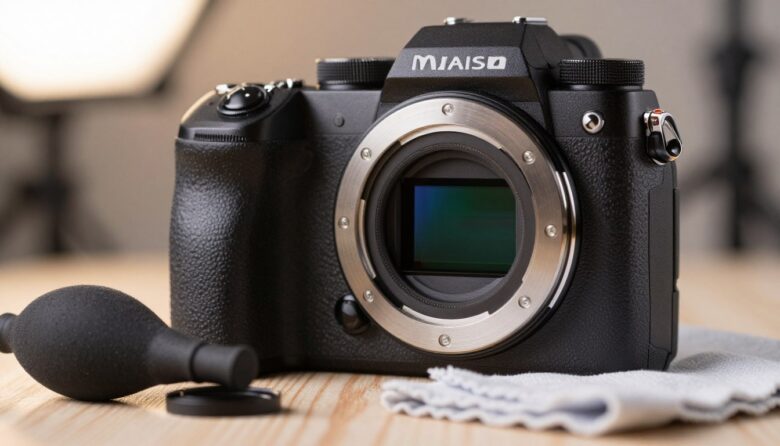
I started shooting in 2004 with a 6 megapixel Canon Digital Rebel, and that first DSLR taught me the value of a sealed view into the lens. Since 2012, I switched to mirrorless cameras and spent many years testing different systems. Over time I noticed one clear pattern: the open design lets dust reach the …
Month: March 2026
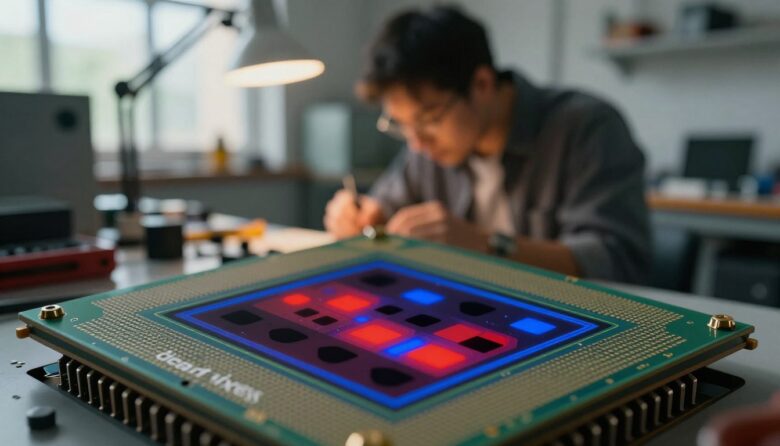
I often get the question about whether dead pixels vs hot pixels are the same thing. I explain this a lot because photographers worry when a tiny spot shows up in their images. In short: a true dead pixel usually defaults to an “off” state, while a hot pixel stays stuck in an “all-on” state. …
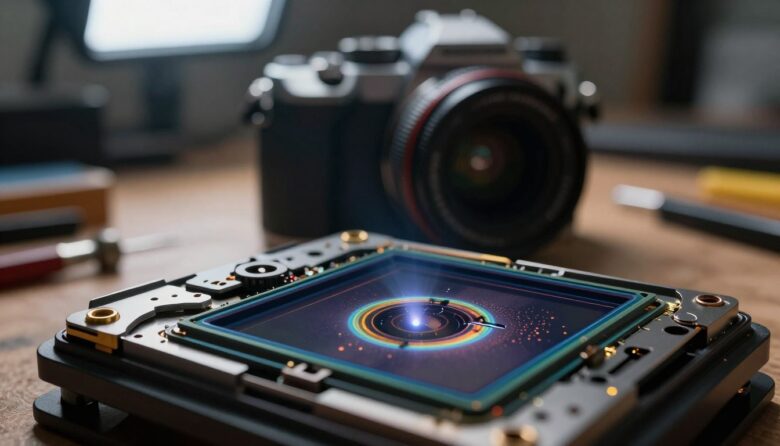
I’ve spent years studying how intense light affects photography gear. In my work I’ve seen a single beam leave lasting artifacts and, in rare cases, force full replacement of a camera sensor. Understanding the difference between a temporary flare and true permanent harm is one of the top questions I get. I’ll explain why a …
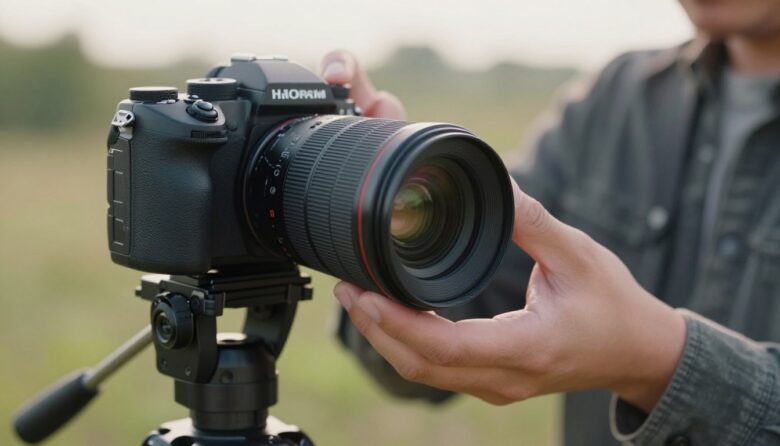
I’m Rick McEvoy, a professional photographer in England, and I learned early that a clean sensor matters for every shot. When I change a lens I take small, careful steps to avoid dust entering the body. Those steps saved me time and frustration over the years. The first time I had to clean my sensor, …
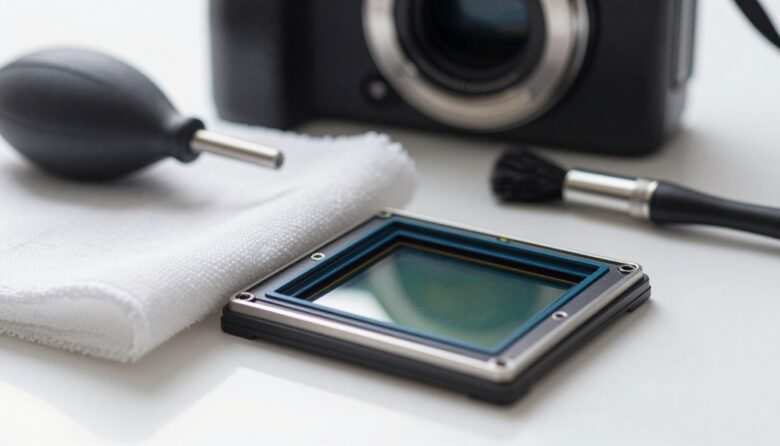
I own an interchangeable camera and I know that dust finds its way inside no matter how careful I am. I hold my body facing down when I swap a lens, which cuts the chance of dirt drifting in. Modern software makes removing dust spots easy, but a tidy sensor keeps my workflow fast and …
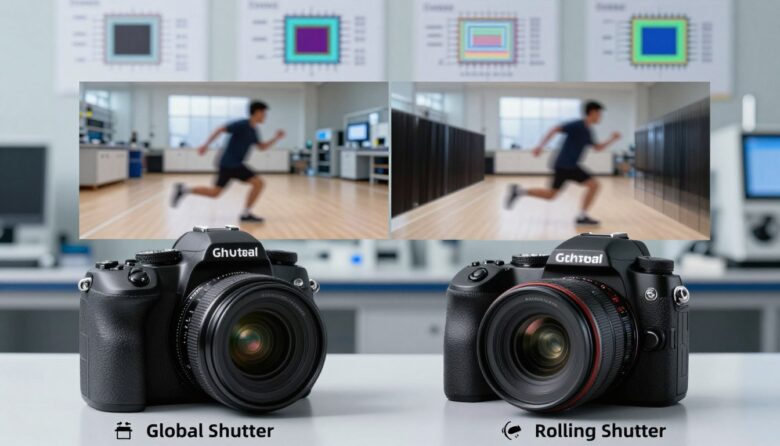
I dive into the global shutter vs rolling shutter debate to help you choose the right sensor for your work. I write from experience with industry cameras and sensors. I have seen how the electronic shutter shapes every image and dictates processing choices. Every high-performance sensor must balance exposure needs with limits in how data …

I often see beginners grab a new camera because the box lists a high megapixel number. I know this trap well, and I want to clear it up. In my experience, a high resolution alone does not guarantee better image quality. I focus instead on how a camera handles light, color, and every detail in …
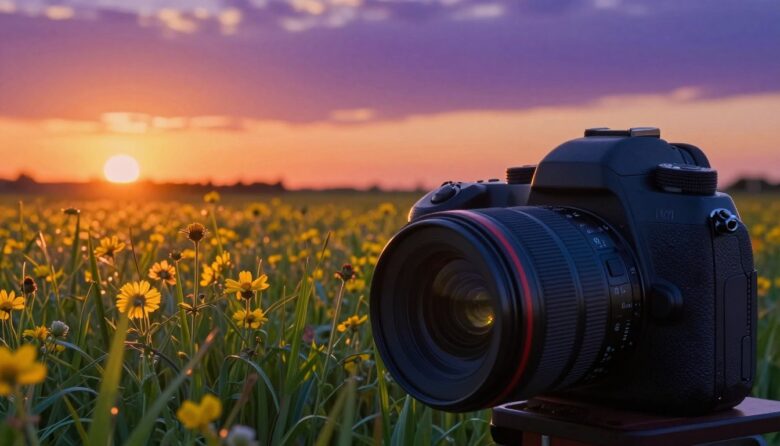
I often explain that camera dynamic range is the full span of light a sensor can record in a single image. It covers the deepest shadow to the brightest highlight and shows how much detail I can save in one shot. When I am out shooting, I watch how my sensor and lens behave in …
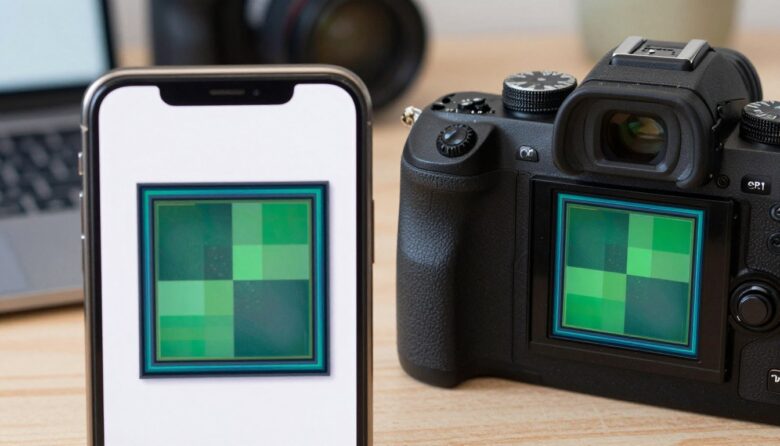
I want to unpack a smart imaging method that helps modern phones and mirrorless cameras capture clearer photos in tight spaces. This approach merges nearby sensor elements so each combined unit gathers more light. By trading raw resolution for brighter, cleaner images, a small sensor can mimic the performance of larger hardware. I’ll show how …
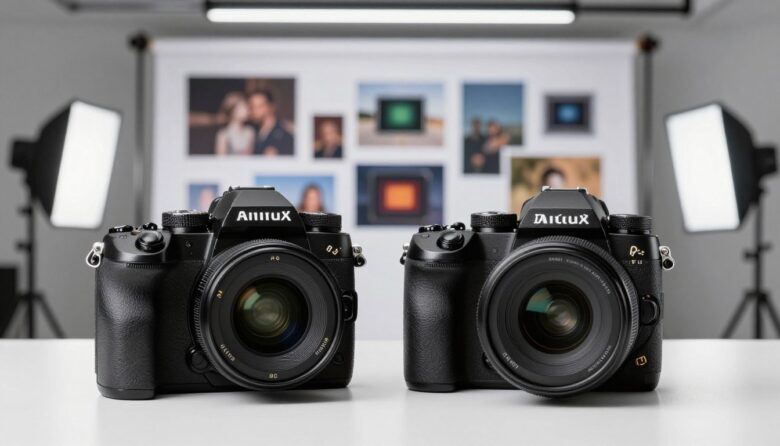
I’ve tested many cameras, from high-end Nikon bodies to agile Fujifilm models, and choosing the right option can feel daunting. The Nikon D850 packs a 45-megapixel full format chip that excels in detail and dynamic range. The Fujifilm X-T4 uses a 26-megapixel crop design that keeps gear light and costs lower. I’ll help you weigh …